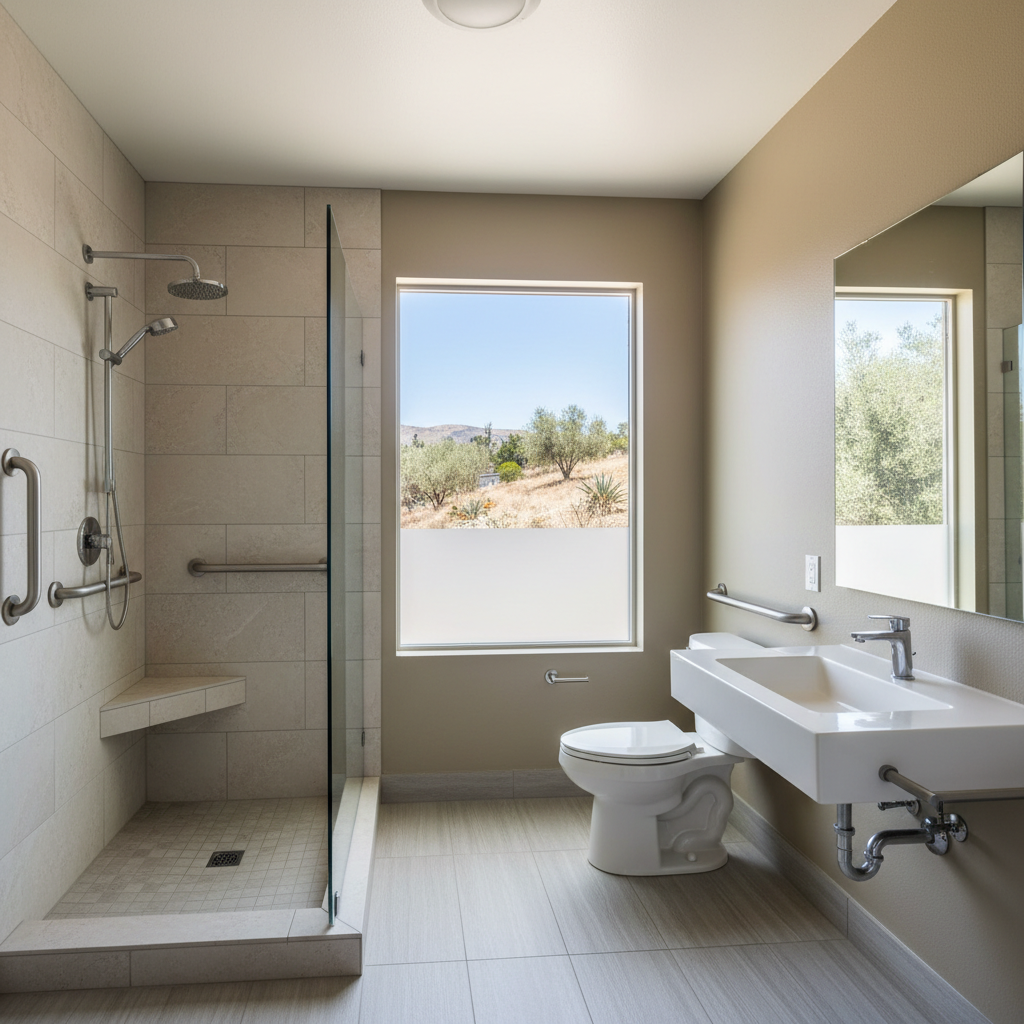
Getting Started: Your Accessible Bathroom Project Timeline
So, you're thinking about making your bathroom more accessible. Good call! Whether it's for you, a family member, or just to future-proof your place, it's a smart move. Folks often hit me with the question, "How long does this whole thing actually take?" Definitely not a quick weekend job, but it's not going to be an endless construction zone either. Let's lay out a real-world timeline.
First off, you've got the planning and design stage. This usually runs anywhere from two to six weeks. Here's where you nail down exactly what you need: maybe a roll-in shower, grab bars, wider doorways, a comfort-height toilet, or a new, wheelchair-friendly vanity. You'll chat with designers, get some quotes, and pick out materials. Don't rush this bit. Getting it right on paper saves you a ton of headaches later, believe me.
Next up, permitting. Depending on what you're doing and Montebello's specific building codes, this could take anywhere from two weeks to two months. If you're moving walls or making big structural changes, expect it to take longer. A good contractor, like us at Montebello Bathroom Construction, will handle this paperwork for you, but it's still a waiting game you've got to factor in.
Once those permits are in hand, construction for a typical accessible bathroom remodel usually takes three to eight weeks. This can really change based on how complex the job is – are we just swapping out a few things, or are we completely redoing the layout, moving plumbing, or even expanding into another room? Things like custom tile work or special fixtures can also add a little time. So, when you add it all up, you're generally looking at a total project time of seven weeks to four months, from that first thought to a finished bathroom. It's a decent chunk of time, yes, but that improved quality of life? Totally worth it.
What to Expect During the Process
Alright, so you've signed the papers, permits are good to go, and now the real work starts. What's it actually like having your bathroom torn apart?
Expect some noise and dust. We do our best to keep it contained, but hey, it's construction. We'll seal off the work area, put down floor protection, and use dust barriers, but some dust always seems to sneak out. If you've got sensitive electronics or artwork nearby, covering them or moving them temporarily is a good idea.
Some days things will fly by, and other days it'll feel like nothing's happening. That's just how it goes. There are inspections, drying times for mud and paint, and sometimes we're just waiting for a specific material to show up. Patience, my friend, is key.
You'll probably be without your main bathroom for a bit. So, plan ahead for an alternative. If you have another bathroom, great. If not, you might need to ask a neighbor or think about a short stay somewhere else if the inconvenience gets to be too much. We always try to keep disruption to a minimum, but sometimes it's just unavoidable.
Communication is super important. Your contractor should keep you updated on progress, any issues that pop up, and what's next. Don't be shy about asking questions. This is your home, after all, and you deserve to know what's going on.
How to Prepare Your Home and Yourself
Getting ready beforehand makes a huge difference in how smoothly a project runs. Before the crew even shows up, do these things:
- Clear out the bathroom: Take everything out of cabinets, drawers, and off countertops. Pull down shower curtains, art, anything you don't want getting dusty or damaged.
- Create a clear path: Make sure there's an open route from your front door (or wherever we'll be coming in) right to the bathroom. Move furniture, rugs, anything that could get in the way of workers carrying materials or tools.
- Protect your belongings: Throw sheets or plastic over furniture in nearby rooms. If you have pets, make sure they're secured or out of the house during noisy work.
- Plan your alternative: Like I said, figure out your bathroom situation. Where will you brush your teeth? Shower? This is especially crucial for accessible remodels, as your temporary setup might need to be accessible too.
- Ask about utilities: Find out when the water or electricity might be shut off and for how long. We'll always try to give you a heads-up, but it's smart to be prepared.
Mentally prepare for a temporary disruption. It's going to be a little messy and inconvenient for a while, but keep your eye on the prize: a beautiful, functional, and safe accessible bathroom.
Crucial Questions to Ask Before Signing a Contract
Before you commit to any contractor, you really need to ask the right questions. This isn't just about getting a good price; it's about getting a good job and avoiding future headaches.
- Are you licensed and insured? This is a must-have. Ask for proof. A licensed contractor protects you legally, and insurance protects you financially if there's an accident or damage.
- Do you specialize in accessible remodels? Not all contractors have the same experience with ADA rules, grab bar installation, or roll-in shower construction. You want someone who really knows the specific needs and best ways to do accessible design, especially with older homes in places like Montebello where plumbing and layouts can be tricky.
- Can you provide references? Talk to past clients, especially ones who've had similar accessible projects done. Ask them about how communication went, the timelines, and the quality of the work.
- What's included in the quote? Get a super detailed breakdown. Does it cover demolition, materials, labor, getting rid of debris, and all the permits? Are there any allowances (say, for tile or fixtures) that might make the final cost jump if you pick something pricier?
- What's your payment schedule? A good contractor won't ask for all the money upfront. Usually, it's a down payment, then payments as different parts of the job get done, and a final payment once everything's finished and you're happy.
- Who will be supervising the project? Will it be the owner, a project manager, or a lead carpenter? You need a clear person to talk to.
- What's your warranty on labor? Good contractors stand by their work. Ask about how long their labor warranty lasts and what it covers.
- How do you handle change orders? If something unexpected comes up or you change your mind mid-project, how do you document and price that? You want a clear process to avoid surprises.
Asking these questions upfront will help you pick the right partner for your accessible bathroom remodel. It's a big project, and you deserve to feel confident in the team you hire.