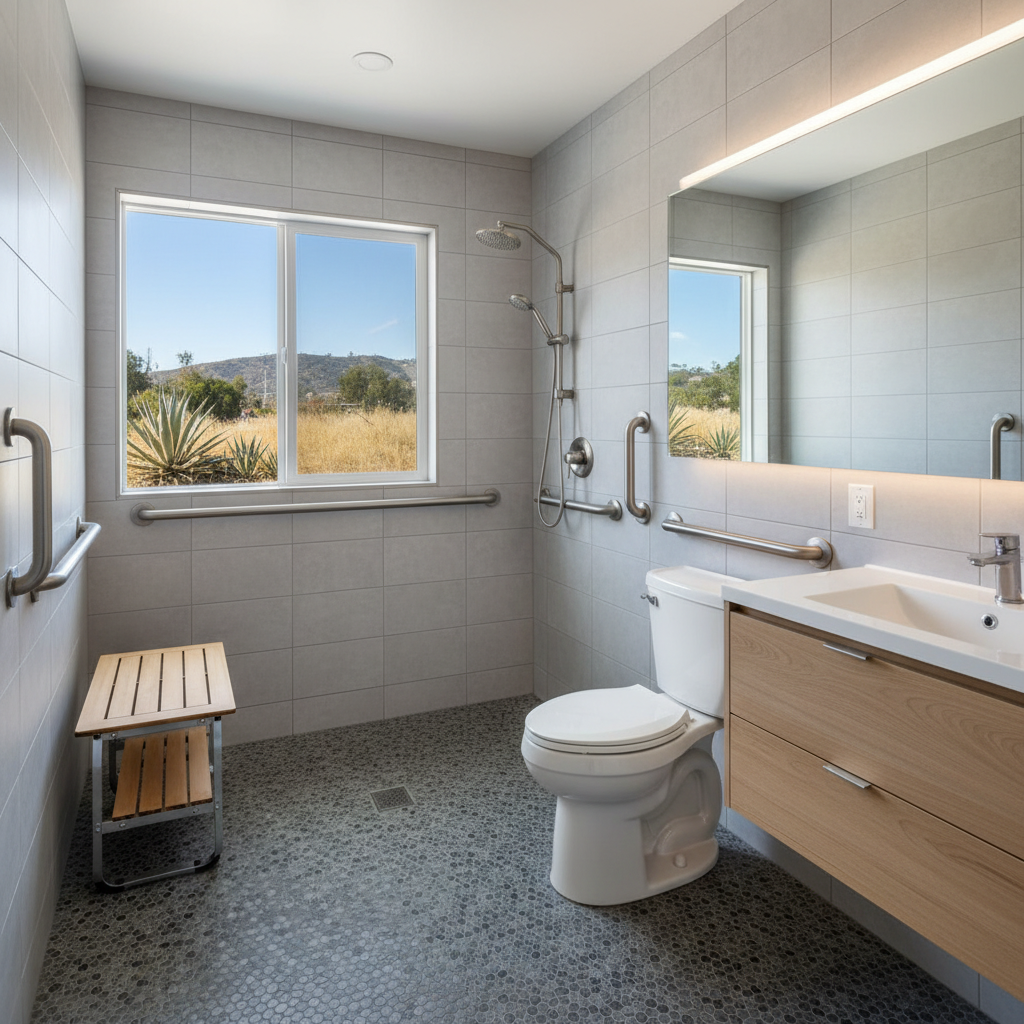
You're looking to make your bathroom more accessible, and that's a smart move. Whether it's for yourself, a family member, or just planning for the future, a well-designed accessible bathroom can make a huge difference in comfort and safety. But I've seen my fair share of projects go sideways, and it's usually because folks didn't know what to look out for. Here in Montebello, especially with some of the older homes up around the hills, there are specific things you've got to consider.
Mistake #1: Not Really Understanding the User's Needs
This is probably the biggest one. People often think 'accessible' means just throwing in a grab bar and a roll-in shower. And sure, those are components, but they're not the whole picture. You've got to dig deeper. Is it for someone in a wheelchair, or using a walker, or just needing more stability? What's their height? What's their reach? Do they need space for a caregiver to assist them?
For example, a roll-under sink is great for a wheelchair user, but if the person primarily uses a walker and needs to lean on the vanity, a different setup might be better. Or maybe they need a toilet with specific height and armrests. It's not one-size-fits-all. Spend time observing or talking with the person who will be using the bathroom most. What are their daily struggles? What would make their life easier?
Mistake #2: Underestimating Space Requirements
Bathrooms, especially in older Montebello homes, can be tight. You might think you can just swap out a tub for a shower, but accessible design often needs more floor space than you realize. A wheelchair needs a 60-inch turning radius. That's a big circle! If you don't have that, you're going to have issues. You need clear pathways to the toilet, sink, and shower.
I've seen folks try to squeeze things in and end up with a bathroom that's technically 'accessible' but practically unusable. Doors are a big one too. Standard 24 or 28-inch bathroom doors just won't cut it for a wheelchair. You're usually looking at 32 or 36 inches, which might mean widening the door frame. That's not a huge job, but it's something you need to factor into the plan and budget from the start.
Mistake #3: Focusing Only on Aesthetics, Not Functionality & Safety
Everyone wants a beautiful bathroom, and there's nothing wrong with that. But with an accessible remodel, functionality and safety have to come first. I've seen people pick gorgeous, slippery tile for the shower floor because it matched their vision, completely forgetting that it's a fall hazard. Or they choose a fancy sink that looks great but doesn't allow for knee clearance underneath.
Materials matter. Think about non-slip flooring, even outside the shower. Consider lever handles instead of knobs on faucets and doors – much easier to operate for someone with limited dexterity. Good lighting is crucial too, especially for older eyes. And make sure grab bars are installed correctly into studs, not just drywall. Montebello Bathroom Construction always makes sure those are anchored right, because your safety depends on it.
Mistake #4: Not Hiring the Right Contractor
This isn't just about finding someone who can swing a hammer. You need a contractor who understands accessible design principles, codes, and the specific challenges that come with these projects. Not every general contractor is an expert in ADA compliance or universal design. Ask potential contractors about their experience with accessible bathrooms. Have they done projects like this before? Can they show you examples or provide references?
A good contractor won't just build what you tell them; they'll offer solutions, point out potential problems, and suggest improvements you hadn't thought of. They'll know about things like proper shower pan slopes, reinforced walls for future grab bars (even if you don't need them now), and how to integrate features seamlessly so the bathroom doesn't look overly institutional.
Mistake #5: Ignoring Future Needs
Even if the accessible features are for a current need, it's smart to think ahead. Maybe you're installing a roll-in shower now, but what about the toilet area? Could it be easily modified later for more support? Are the walls reinforced in key areas so grab bars can be added anywhere they might be needed down the line?
This is where 'universal design' comes into play – designing spaces that are usable by people of all ages and abilities, without special adaptation. It's about making choices today that prevent costly renovations tomorrow. It's often cheaper to put in the blocking for future grab bars during the initial renovation than to open up walls later. Think long-term, not just immediate needs.
Getting an accessible bathroom right takes careful planning and the right team. Don't rush into it. Do your homework, ask the right questions, and make sure you're working with someone who truly understands what it takes to create a safe, functional, and comfortable space for everyone.